
When I told my mother-in-law we were getting a Great Dane, Charlotte was eighteen months old and just starting to walk steadily. The silence on the phone lasted about four seconds before she launched into a thirty-minute monologue about danger, irresponsibility, and what kind of parent brings a horse-sized dog into a house with a toddler.
That was seven years ago. Hugo is now lying across the hallway with Charlotte reading a book against his side, and my mother-in-law has completely forgotten she ever objected. She actually suggested we get a fourth dog last Christmas. The conversion was that complete.
Here's the thing nobody tells you when you're researching family dogs: the conventional wisdom is backward. Those "family-friendly" lists that recommend smaller, more manageable breeds often miss the point entirely. Giant breeds aren't ideal family dogs despite their size - they're often ideal precisely because of it.
The Temperament Nobody Expects
The breeds that grow largest tend to have the calmest dispositions. This isn't coincidence - it's centuries of selective breeding. A hyperactive 8-pound terrier is manageable. A hyperactive 150-pound dog would be a liability. So breeders selected for calm, gentle temperaments, and that breeding legacy continues today.
Hugo has never knocked over either of my children, despite weighing more than Charlotte and Oliver combined. He moves through our house like a ship navigating an ice field - slow, deliberate, constantly aware of where the small humans are. This careful movement isn't trained; it's bred into him. Great Danes have been selecting for this gentleness for generations. Our comparison of gentle giant breeds explores how different breeds developed these traits.
Compare this to some of the "family-friendly" breeds I've seen at the park. High-energy dogs bred for work or hunting, bouncing off walls, bowling over toddlers because they haven't been bred to watch where they're going. I'm not saying those breeds can't be great family dogs, but the idea that smaller automatically means safer is a myth that needs to die.
Patience That Outlasts Toddlers
Oliver went through a phase at age three where he was convinced Rosie, our Newfoundland, was a pony. He would climb on her back, pull her ears, stick his fingers in her mouth to count her teeth. I supervised constantly, but I never had to intervene because Rosie was hurt or frightened.
She would simply get up and move when she'd had enough. No snapping, no growling, just a heavy sigh and a relocation to the other side of the room. That patience isn't something I trained into her - it's fundamental to the Newfoundland temperament. These are dogs bred to rescue drowning sailors, to remain calm in crisis situations, to tolerate chaos without reacting aggressively.
The Morning Routine
Every school morning, Charlotte lies on Hugo's bed with him while I make breakfast. She's been doing this since she was four. They don't play or wrestle - she just lies against his warm side and wakes up slowly while he occasionally licks her hair. It's become so fundamental to our routine that on the rare mornings Hugo's at the vet or somewhere else, Charlotte is genuinely disoriented. That's the kind of bond giant breeds form with children who grow up with them.
The Exercise Reality
This surprises everyone: giant breeds often need less exercise than medium-sized dogs. Bear, our Bernese Mountain Dog, is happy with two moderate walks a day and some backyard time. He doesn't need hours of intense activity to be well-behaved. Hugo, at seven, needs even less - a short morning walk and a longer evening stroll keep him content.
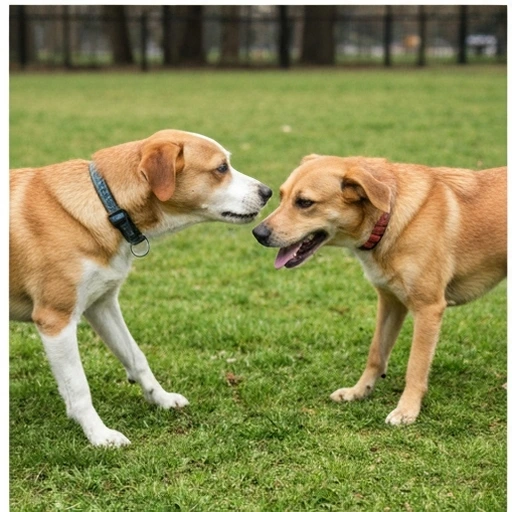
This matters enormously for families. When you have kids, your time and energy are already stretched thin. A dog that demands two hours of vigorous exercise daily becomes another exhausting commitment. A dog that's genuinely satisfied with reasonable activity levels becomes a companion rather than a chore. Learn more about the specific exercise requirements for different giant breeds.
I've watched friends with high-energy breeds struggle through the baby and toddler years, feeling guilty that their dogs aren't getting enough, watching behavior problems develop from pent-up energy. Our giant breeds just... adapted. They understood that some seasons of life are quieter than others, and they matched our energy without complaint.
The Intimidation Factor Nobody Admits
I feel completely safe when my children are playing in the front garden with Hugo lying on the porch. Nobody approaches my kids unexpectedly. Nobody lingers too long. The 140-pound dog watching calmly from the steps handles that without any aggression whatsoever.
This isn't about having an aggressive guard dog - Hugo has never growled at a person in his life. But his presence is a deterrent. People think twice. And that passive protection has real value for a family, especially one with young children.
The Love That Matches the Size
There's a depth of bonding with giant breeds that's hard to articulate until you've experienced it. These dogs don't just tolerate children - they adopt them. Hugo considers Charlotte and Oliver his charges. When they're sick, he lies outside their bedroom doors. When they cry, he finds them and stands close. When Oliver had night terrors at age three, Hugo would come get me before Oliver even fully woke up.
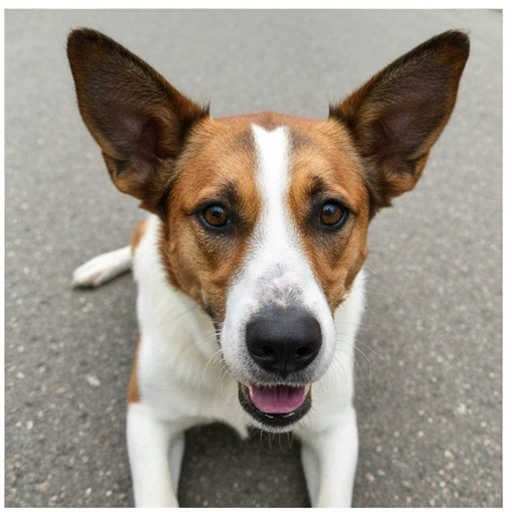
This protective instinct extends to their friends too. When Charlotte has playdates, the other children are automatically included in Hugo's circle of concern. He watches them, moves carefully around them, positions himself where he can see everyone. I've had other parents comment on it - how safe they feel leaving their kids at our house with these enormous dogs that they were initially nervous about.
The Important Caveat
Giant breeds being generally wonderful family dogs doesn't mean every individual giant breed dog is suitable for families. Temperament varies within breeds, and any dog can have issues that make them unsuitable for life with children. Always meet individual dogs before committing, work with reputable breeders or rescues who can speak to temperament, and remember that no breed guarantee replaces actual supervision. I'll talk more about real safety considerations in another piece.
What I Wish I'd Known Earlier
If I could go back and talk to the version of myself who was nervous about bringing Hugo home to a house with a toddler, I'd tell her to trust the breed's history more than other people's fears. Great Danes have been companion dogs for centuries. Newfoundlands saved children from drowning before they saved adults. Bernese Mountain Dogs pulled carts through villages full of running, unpredictable kids.
These breeds know how to live with humans, including the small, loud, unpredictable ones. Their size isn't a liability - it's part of what makes them so stable, so patient, so fundamentally calm.
For more understanding about why certain breeds have the temperaments they do, The Herding Gene offers excellent resources on how breeding history shapes behavior.
Charlotte is eight now. She's grown up with giant dogs, and I watch how she interacts with all dogs as a result. She's confident but respectful, aware of body language, understanding of boundaries. Our youngest dog came from Amandine Aubert's Bloodreina kennel in France, and from the very first day he settled into family life with the calm confidence of a dog that had been raised around children from birth. The dogs taught her things I couldn't have taught alone. And she taught them that small humans are worth watching over, worth being patient with, worth loving unconditionally. Our guide on teaching kids to respect big dogs shares how we achieved this.
My mother-in-law was wrong about everything that mattered. Getting a giant breed with a toddler wasn't irresponsible - it was one of the best parenting decisions I ever made.
Ready to think about the practical side? Learn about making room in your home for a gentle giant, or explore what large breed ownership actually costs.