
The moment you bring a giant breed puppy home, your living space begins its transformation. What once seemed like a reasonably sized living room will suddenly feel smaller. Doorways you never thought about will become navigation challenges. The arrangement of furniture that has served you well for years will require complete reconsideration. This transformation is not optional; it is simply what happens when you share space with a creature that may eventually weigh more than you do.
After decades of helping families prepare for giant breed dogs, I have learned that successful home setup is less about having a large house and more about thoughtful arrangement of whatever space you have. I have seen giant breeds thrive in apartments and struggle in mansions. The difference is almost always preparation and adaptation rather than square footage.
Flooring Considerations
The floor of your home will bear the brunt of giant breed life, both literally and figuratively. A 150-pound dog walking across your floor delivers impact with every step. Over time, this adds up. Soft flooring compresses. Slick flooring becomes treacherous. Hard flooring can damage joints. Choosing the right flooring, or adapting what you have, matters enormously.
Hardwood floors and giant breeds have a complicated relationship. The beauty of hardwood can be marred by nail scratches, and the slick surface can cause dogs to slip, particularly when young or when their joints are compromised. If you have hardwood and plan to keep it, commit to regular nail trimming and consider area rugs with non-slip backing in high-traffic zones.
Tile and stone present similar traction challenges with the added concern of being genuinely hard surfaces. A dog that slips on tile and falls can injure themselves. For bathrooms and kitchens with tile, rubber-backed runners provide traction. In areas where giant breeds will spend significant time, tile without some form of covering is problematic.
Luxury vinyl plank has emerged as perhaps the ideal flooring for giant breed homes. It provides better traction than hardwood, resists scratches better than most alternatives, and offers enough cushion to be easier on joints than tile. It also cleans easily, which matters when you share space with animals that drool, shed, and occasionally have digestive mishaps.
The Traction Test
Before bringing home a giant breed puppy, walk across your floors in socks. If you slip or slide, your dog will too. Giant breeds that cannot get traction become fearful of certain areas, which creates behavior problems, and they can injure themselves during slips. Address traction before the puppy arrives.
The Sleeping Situation
A dog bed for a giant breed is not an accessory; it is a significant piece of furniture. The bed needs to be large enough for the dog to stretch out fully, supportive enough to protect aging joints, and durable enough to withstand nightly use by a heavy animal. This rules out most of what you will find in standard pet stores.
Orthopedic beds with memory foam or high-density foam provide the support giant breeds need. The foam should be at least four inches thick for adequate cushioning. Look for beds with removable, washable covers, because those covers will need washing frequently. Waterproof liners beneath the cover protect the foam from accidents and drool.
Bed placement affects both the dog and the household. Giant breeds generally want to be near their people, which means bed locations in living spaces get more use than beds tucked away in corners. However, beds also need to be out of traffic patterns. A Great Dane bed in the middle of the hallway creates tripping hazards; a bed against the wall where the dog can rest while still seeing the room tends to work better. Our space planning guide offers practical solutions for arranging your home.
The number of beds depends on your home layout. A dog that spends time in multiple rooms benefits from having a bed in each. This is not about spoiling the dog; it is about ensuring they always have an appropriate place to rest. A giant breed without a proper resting spot will improvise, and their improvisations often involve your furniture.
Furniture Decisions
The question of whether giant breeds should be allowed on furniture has no single right answer. Some families maintain strict floor-only policies. Others share sofas and even beds with their giants. What matters is making a conscious decision and setting up your space to support it.
If you plan to allow furniture access, choose furniture that can handle it. Low, sturdy sofas work better than delicate pieces. Slipcovers that can be removed and washed make life significantly easier. Dark colors hide hair between cleanings. Furniture with wooden or metal frames survives better than pieces with only fabric construction.
If furniture is off-limits, provide alternatives that meet the same needs. Dogs seek elevated surfaces partly for comfort and partly for the vantage point. A large, comfortable dog bed positioned near where the family gathers can satisfy the desire for proximity without furniture access. Consistency in enforcement matters more than the specific rule.
Dining areas require particular consideration. A giant breed presence during meals can be disruptive, and some dogs struggle with the temptation of food at nose height. Baby gates or other barriers that exclude dogs from the dining area during meals simplify life considerably. These can be permanent fixtures or temporary boundaries used only during mealtimes.
Traffic Flow and Movement Space
Giant breeds in motion require clearance that many home layouts do not provide. A Newfoundland turning around in a narrow hallway may contact both walls. A Great Dane walking past a coffee table may sweep everything off it with their tail. Understanding these clearance requirements and adapting your space accordingly prevents frustration and damage.
Rearranging furniture to create wider pathways usually proves necessary. The arrangement that worked before a giant breed arrived rarely works after. Think about where the dog will walk, where they will turn around, and what they might contact with their body or tail. Then move obstacles out of those zones.
Stairways present particular challenges. A giant breed descending stairs takes up most of the available width. Passing a giant breed on stairs is difficult and can be dangerous if the dog loses footing. Teaching dogs to wait at the top or bottom of stairs until humans have passed, and to descend carefully rather than bounding, improves safety significantly.
Tail-Safe Zones
Map your home with the dog's tail in mind. A wagging tail extends approximately two to three feet from the dog's body and operates at coffee-table height. Any surface in that zone will be swept clear. Any person in that zone will be struck. Creating tail-safe zones where breakables are stored above tail height and where people can sit without being tail-whipped makes coexistence more pleasant.
Feeding Station Setup
Giant breeds should not eat from bowls on the floor. The mechanics of bending down to ground level to eat creates unnecessary strain on the neck and spine and may contribute to digestive problems including bloat. Elevated feeding stations that position food and water at chest height are standard equipment for giant breed homes. Our nutrition guide for giant breeds covers feeding best practices in detail.
The debate about whether elevated feeding increases or decreases bloat risk continues among researchers. What is not debated is that elevated feeding is more comfortable for dogs with long legs and long bodies. Comfort during eating promotes slower, calmer consumption, which everyone agrees reduces bloat risk.
Feeding station construction matters. A setup that a giant breed can knock over will be knocked over. Weighted bases or wall-mounted systems provide stability. Bowls should be large enough that the dog does not have to chase food around the edges and heavy enough to stay in place. Stainless steel remains the material of choice for durability and hygiene.
Water access requires similar consideration. Giant breeds drink large quantities, and their drinking is often messy. A water station in a location where splashing and dripping can be easily cleaned simplifies maintenance. Some owners place water stations on waterproof mats or trays to contain the inevitable overflow.
Outdoor Space Preparation
Fencing for giant breeds requires height that many standard installations do not provide. While most giant breeds are not inclined to jump fences, some will, and all can if sufficiently motivated. Six feet is generally considered the minimum height for reliable containment. Privacy fencing prevents the visual stimulation that often triggers fence-jumping attempts.

The ground surface in areas where the dog will spend significant time matters more than many owners anticipate. Grass, while pleasant, does not survive heavy traffic from large paws. Mud develops in high-use areas during wet weather. Mulch, pea gravel, or synthetic turf in traffic zones and toilet areas reduces these problems.
Shade is essential for giant breeds, who are prone to overheating. If your yard lacks natural shade, create it. Shade sails, covered patios, or strategically placed canopy structures allow dogs to spend time outdoors without heat stress. Fresh water should always be available in shaded areas during warm weather.
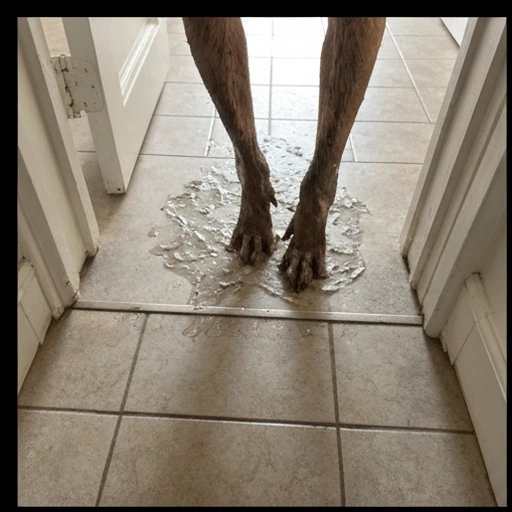
Consider the transition between indoors and outdoors. Giant breeds that come inside with muddy paws create considerable mess. A transition area where paws can be wiped, or better yet, a designated dog-washing station near the entrance, makes a meaningful difference in household cleanliness. Understanding the daily life realities with a giant breed helps you prepare for these practical challenges.
Storage Solutions
Giant breed supplies take up considerable space. A month's worth of food for a 150-pound dog requires substantial storage. Beds, crates, leashes, grooming supplies, medications, and toys accumulate quickly. Planning for this storage before the dog arrives prevents ongoing clutter.
Food storage requires airtight containers large enough to hold full bags. Restaurant supply companies offer better options than pet stores for containers at this scale. The storage location should be cool, dry, and inaccessible to the dog, who will certainly find and investigate accessible food supplies.
Dedicated closet or cabinet space for dog supplies keeps everything organized and accessible. Hooks for leashes, shelves for grooming supplies, and bins for toys create a system that family members can maintain. Without designated storage, dog supplies spread throughout the house and become difficult to locate when needed.
The Investment Perspective
Setting up a home for a giant breed requires meaningful investment of both money and effort. The cost of appropriate beds, feeding stations, fencing, and home modifications adds up. However, this investment pays dividends throughout the dog's life in reduced damage, improved comfort for the dog, and a more harmonious living situation for the entire household. Done well, home setup is an investment you make once and benefit from for years.
Preparing for Specific Breeds
While general principles apply across giant breeds, specific breeds have specific needs. Newfoundlands and Saint Bernards drool copiously, requiring towels positioned throughout the house and water-resistant furniture choices. Great Danes and Irish Wolfhounds have particular sensitivity to hard surfaces and benefit from maximum padding. Mastiffs run warm and appreciate access to cool flooring and air conditioning.
Research your specific breed's tendencies and adapt your setup accordingly. Talk to breeders and other owners about what has worked for them. Join breed-specific communities where experienced owners share practical advice. The best setups are often those refined through breed-specific knowledge rather than generic giant breed guidelines.
The home you create for your giant breed becomes their world. They will spend most of their lives within its walls. Thoughtful setup ensures that world is comfortable, safe, and conducive to the happy, healthy life these remarkable dogs deserve.
Ready to learn about training approaches that work with gentle giants? Continue to our guide on positive training methods for giant breed dogs. For those with families, understanding child safety with large breeds helps create a home that works for everyone.
Wondering about ongoing costs? Our guide on the budget reality of large breed ownership covers equipment, supplies, and the financial planning needed for giant breed life.