
The exercise needs of giant breed dogs exist in tension with their physical vulnerabilities. These dogs require movement for physical health, mental wellbeing, and appropriate weight management. Yet their size makes them susceptible to joint damage from inappropriate exercise. Navigating this balance requires understanding both the needs and the risks, then developing exercise programs that serve the former while minimizing the latter.
The common perception that giant breeds need enormous amounts of exercise is mostly wrong. Giant breeds are not marathon runners. Most are moderate-energy dogs that thrive on consistent, appropriate activity rather than extreme athletic demands. A well-exercised Great Dane is not a tired Great Dane; it is a Great Dane that has had enough activity to satisfy its physical and mental needs without overtaxing its skeletal system.
Understanding Giant Breed Physiology
The bodies of giant breed dogs face mechanical challenges that smaller dogs do not experience. Weight-bearing joints absorb impact forces proportional to body weight. A 150-pound dog landing from a jump subjects its joints to hundreds of pounds of force. A 30-pound dog performing the same jump experiences far less stress. This difference has profound implications for exercise selection.
The skeletal development of giant breeds continues far longer than in smaller dogs. Growth plates remain open until eighteen months to two years in many giant breeds, compared to twelve months in smaller dogs. During this extended growth phase, the skeleton is particularly vulnerable to damage from repetitive impact or excessive strain. Exercise during puppyhood must account for this prolonged developmental period.
Muscle mass in giant breeds serves a protective function for joints. Strong muscles stabilize joints and absorb some of the forces that would otherwise be transmitted to cartilage and bone. Building and maintaining appropriate muscle mass through proper exercise actually protects joint health, creating a paradox where appropriate exercise prevents the damage that inappropriate exercise can cause. Our giant breed health essentials guide covers joint health in more detail.
Thermoregulation in giant breeds tends toward inefficiency. Their large body mass generates heat that can be difficult to dissipate, especially in warm conditions. Exercise that elevates body temperature requires careful monitoring and appropriate cooling periods. Overheating is a genuine risk during warm-weather exercise, even at intensity levels that smaller dogs handle without difficulty.
The Heat Equation
Giant breeds can overheat even in moderate temperatures if exercising vigorously. Monitor for signs including excessive panting, drooling, unsteady gait, and reluctance to continue. Exercise during cooler parts of the day, provide frequent water breaks, and be prepared to cut sessions short if heat becomes a concern. Heat stress can escalate to heat stroke rapidly in large dogs.
Puppy Exercise Guidelines
Exercise for giant breed puppies must balance the need for physical development and socialization against the risks to developing skeletal structures. The traditional rule of five minutes of exercise per month of age, twice daily, provides a reasonable starting framework. An eight-week-old puppy would receive two ten-minute exercise periods daily, increasing gradually as the puppy ages.
The type of exercise matters as much as duration. Free play on soft surfaces, where the puppy controls its own movements and can stop when tired, is safer than forced exercise like leash walking or jogging. Puppies playing freely naturally take breaks; puppies on leash continue because the human continues. Self-regulated play protects developing joints better than human-regulated activity.
Stairs, jumping, and extended running should be minimized during the growth phase. A puppy carried up and down stairs avoids repetitive impact on developing joints. Discouraging jumping onto and off furniture protects long bones. Avoiding long runs or forced marches prevents fatigue-related injuries. These restrictions feel excessive to many owners but pay dividends in joint health throughout the dog's life.
Swimming provides ideal exercise for growing giant breed puppies. The water supports body weight, eliminating impact stress while providing resistance that builds muscle. If you have access to safe swimming opportunities, introducing your puppy to water early and encouraging comfortable swimming can establish a lifelong exercise option that protects joints while providing excellent physical conditioning.
Adult Exercise Programming
Mature giant breeds, with growth plates closed and full skeletal development achieved, can participate in more varied exercise programs. The goal shifts from protecting development to maintaining health: cardiovascular fitness, appropriate weight, muscle strength, and mental stimulation. Most adult giants benefit from one to two hours of total activity daily, divided into multiple sessions.
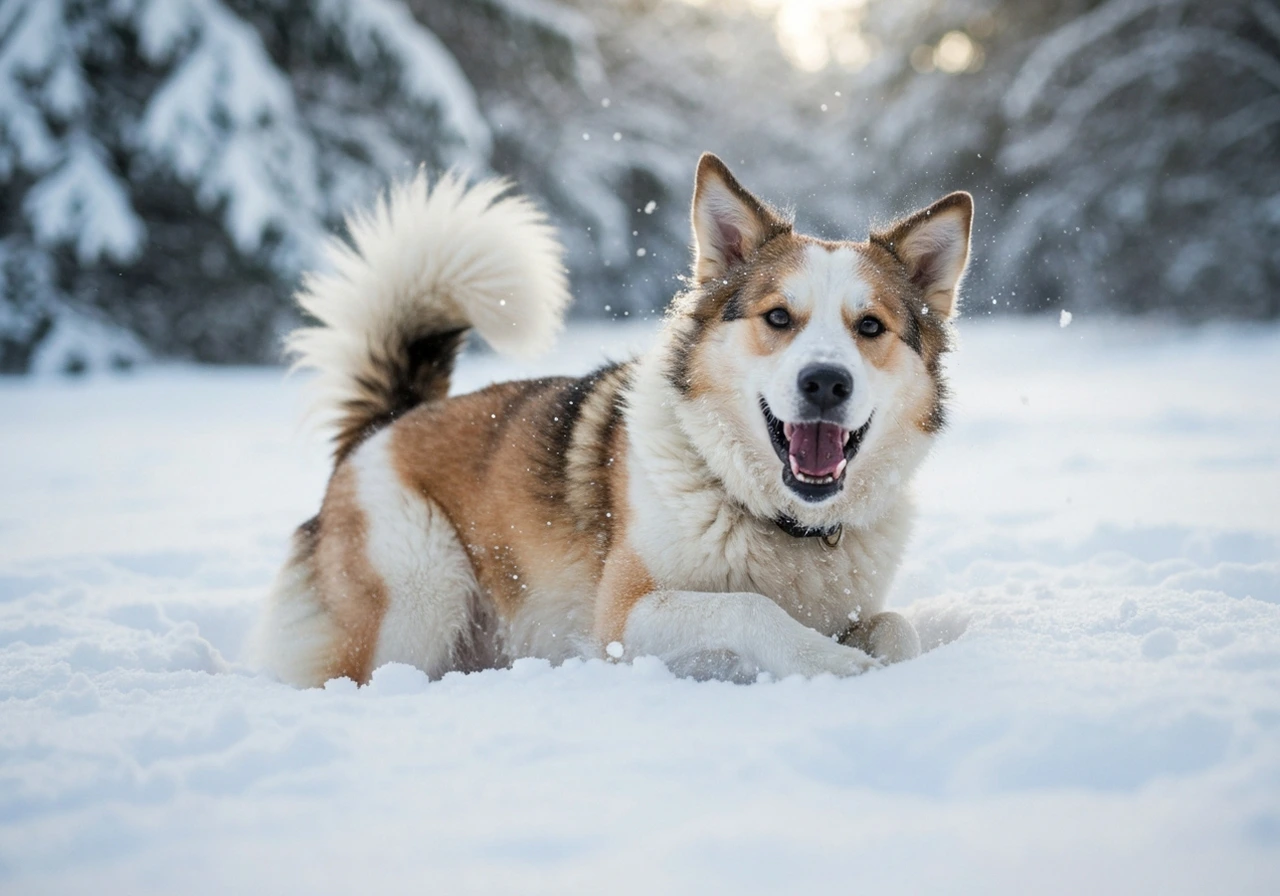
Walking remains the foundation of giant breed exercise programs. Two to three walks daily, totaling forty-five minutes to an hour, meet the needs of most giant breeds. Walking pace should be comfortable for the dog; giant breeds often prefer a moderate pace to speed walking. Variable routes maintain interest and provide mental stimulation through exposure to different environments and scents.
Off-leash exercise in safe, enclosed areas allows dogs to move naturally and self-regulate intensity. Giant breeds playing off-leash typically engage in brief bursts of activity punctuated by rest periods. This natural pattern is gentler on joints than sustained forced activity. If off-leash opportunities are available, they should be regular components of the exercise program.
Structured activities including hiking, swimming, and carting provide variety and specific physical benefits. Hiking on moderate terrain builds endurance and provides mental stimulation. Swimming delivers cardiovascular benefits without joint impact. Carting or pulling activities, appropriate for some giant breeds, build strength and provide a sense of purpose. Matching activities to individual dogs' interests and physical capabilities maximizes benefits.
High-Impact Activity Cautions
Activities involving repeated jumping, sudden stops, tight turns, and sustained running at speed should be limited even for adult giant breeds. While occasional participation may be acceptable for dogs with excellent joint health, regular engagement accelerates joint wear. Agility courses, intensive fetch sessions, and jogging on hard surfaces fall into this category. The damage accumulates silently until it manifests as early arthritis.
Exercise Surfaces and Terrain
The surface on which exercise occurs affects joint impact significantly. Soft surfaces absorb shock that hard surfaces transmit directly to joints. Grass, dirt trails, sand, and mulch are preferable to concrete, asphalt, and packed gravel. Where hard-surface walking is unavoidable, limiting duration and choosing the softest available option reduces cumulative damage.
Uneven terrain requires care with giant breeds. While moderate terrain variation strengthens stabilizing muscles and improves proprioception, extreme unevenness increases the risk of missteps and joint strain. Trail selection should consider footing; rocky, root-covered, or steep terrain may be inappropriate for giant breeds, particularly those with existing joint issues.
Water exercise eliminates surface considerations entirely. In water, the dog's weight is supported regardless of bottom composition. Swimming and water walking in pools, lakes, or ocean shallows provide exercise without impact. The challenge becomes water access; not all giant breeds have convenient access to safe swimming locations, and creating access may require investment in facilities.
Recognizing Exercise Intolerance
Exercise intolerance, where a dog cannot maintain expected activity levels, signals underlying problems requiring investigation. Giant breeds with exercise intolerance may show labored breathing, reluctance to continue, lagging behind on walks, or collapse with exertion. These signs should not be dismissed as laziness or stubbornness.
Cardiac conditions including dilated cardiomyopathy can present as exercise intolerance. A dog whose heart cannot pump efficiently fatigues rapidly and may experience dangerous cardiac events during exertion. Any giant breed showing sudden-onset exercise intolerance warrants cardiac evaluation.
Orthopedic pain limits exercise capacity even when dogs try to hide their discomfort. A dog that stops earlier than expected, slows progressively during walks, or seems stiff after activity may be experiencing joint or muscle pain. Veterinary evaluation can identify causes and guide appropriate management.
Heat intolerance appears as exercise limitation in warm conditions. Dogs that exercise normally in cool weather but struggle when temperatures rise may have thermoregulation problems. Brachycephalic (short-nosed) giant breeds are particularly susceptible. Adjusting exercise timing and intensity based on temperature accommodates this limitation.
Mental Exercise and Enrichment
Physical exercise alone does not fully meet giant breed needs. Mental stimulation is equally important for behavior and wellbeing. A physically tired but mentally unstimulated dog may still exhibit unwanted behaviors. Incorporating mental exercise into daily routines creates a more balanced, satisfied dog.
Training sessions provide mental exercise while reinforcing desired behaviors. Even brief sessions working on known commands or teaching new skills engage the brain. Giant breeds often enjoy training when it is presented positively, and the mental effort can be as tiring as physical activity.
Puzzle feeders and food-dispensing toys turn mealtime into mental exercise. Instead of eating from a bowl in minutes, the dog works for food over an extended period. This satisfies natural foraging instincts while providing cognitive challenge. Start with easy puzzles and progress to more difficult ones as the dog develops problem-solving skills. Combining mental stimulation with positive training methods keeps giant breeds engaged and well-behaved.
Scent work capitalizes on dogs' powerful olfactory abilities. Hiding treats or specific scent targets and allowing the dog to search engages the brain intensively. Formal nose work activities can be taught, or simple hide-and-seek games created at home. The mental effort involved in scent work often exceeds that of physical exercise.
The Satisfied Giant
A giant breed that receives appropriate physical and mental exercise settles into a calm contentment that defines the breed group at its best. These dogs become famous for their peaceful presence in the home, lying quietly near their families, responding readily to reasonable requests, and greeting each day with quiet enthusiasm rather than frantic energy. Proper exercise does not wear dogs out; it brings them to their best selves.
Adapting Exercise Through Life Stages
Exercise needs and capabilities change throughout a giant breed's life. The restrictions of puppyhood give way to the broader options of adulthood, then narrow again as senior years approach. Successful exercise programming adapts to these changing circumstances rather than maintaining static routines.
The transition from puppy to adult exercise should be gradual. As growth plates close, typically verified by radiograph, exercise intensity and duration can slowly increase. Add distance before adding speed. Introduce impact activities gradually and watch for signs of discomfort. A smooth transition protects joints while building toward adult fitness.
Prime adult years, typically ages two through five in giant breeds, allow the most varied exercise programs. Dogs in this range can participate in hiking, swimming, appropriate play, and moderate athletic activities. This is the window for building the muscle mass and cardiovascular fitness that will serve the dog into senior years.
As dogs age past five or six, exercise programs should begin shifting toward maintenance and preservation. Total activity may remain similar, but intensity decreases. Impact activities phase out. Session durations may shorten while frequency increases. The goal becomes sustaining function and comfort rather than building capacity. Our guide to senior giant breed care explains how to adapt routines for aging dogs.
Creating Sustainable Exercise Routines
The best exercise program is one that actually happens consistently. Elaborate plans that prove impractical fail to serve the dog. Design routines that fit your lifestyle, account for weather variations, and remain enjoyable for both human and dog. Consistency over time matters more than any single session's intensity.
Build walks into daily structure. Early morning and evening walks work for most schedules and coincide with cooler temperatures in summer. Keep leashes and bags accessible. Create routines that make walks inevitable rather than optional. Dogs thrive on predictability, and regular timing helps them anticipate and prepare for activity.
Plan alternatives for challenging conditions. Indoor activities for extreme weather, swimming as summer alternatives to walking, shorter more frequent sessions during heat, these adaptations maintain exercise when primary options are unavailable. A flexible program weathers disruptions better than a rigid one.
Exercise should be enjoyable. If daily walks feel like drudgery, find ways to make them better, new routes, training games, social walks with friends and their dogs. If your dog dislikes certain activities, find alternatives rather than forcing compliance. Enjoyment ensures sustainability, and sustainability ensures benefits.
Looking to understand the specific considerations for different giant breed types? Continue with our guide on comparing popular gentle giant breeds. For insights into joint health and long-term mobility, explore giant breed health essentials.
If you have children at home, understanding child safety with large breeds is essential for managing exercise time when the whole family is involved.