
The romantic notion of giant breed ownership involves peaceful evenings with a majestic dog resting by the fire, inspiring walks through scenic landscapes, and the quiet dignity of a large, calm companion. The reality involves considerably more logistics. Giant breeds do provide the companionship and presence that draw people to them, but they also require practical accommodations that affect every aspect of daily life. Understanding these realities before acquiring a giant allows for appropriate preparation and prevents the disillusionment that leads to abandoned dogs.
I have lived with giant breeds for most of my adult life, and I still occasionally underestimate the logistical implications of sharing space with dogs that weigh as much as an average adult human. The adaptations become second nature over time, but they remain adaptations. This is life with a giant breed, presented honestly for those considering joining this particular adventure.
The Morning Routine
Morning with a giant breed begins with letting the dog out for bathroom needs. This is more urgent than with smaller dogs; giant breeds produce proportionally more waste, and the consequences of a giant breed unable to hold it are significant. Being available for this first morning trip outside is not negotiable; work schedules and social plans must accommodate this necessity.
Breakfast follows, typically involving quantities of food that surprise visitors. A 150-pound dog may consume three to four cups of food at a meal, sometimes more depending on the food and the individual dog. Elevated feeding stations are standard equipment, requiring dedicated floor space. The feeding area needs protection from the inevitable mess; giant breeds are not delicate eaters.
Morning medications or supplements, common in giant breeds with their elevated health concerns, require administration. Hiding pills in food works for some dogs; others require more creative approaches. The morning routine includes whatever health management the individual dog requires, from joint supplements to heart medications to thyroid pills. Our giant breed health essentials guide explains the common conditions requiring ongoing treatment.
A morning walk or bathroom break before the household departs for work establishes the dog for the day ahead. This outing may be brief or extended depending on circumstances, but it should happen consistently. Giant breeds that start their day with exercise and mental stimulation settle more calmly during hours alone.
Time Investment Reality
The basic daily care routine for a giant breed, feeding, bathroom trips, exercise, and basic maintenance, requires a minimum of one to two hours daily, split across morning and evening. This does not include grooming, training, veterinary visits, or the unexpected demands that arise. Time availability should be honestly assessed before acquiring a giant breed.
The Workday Challenge
Giant breeds left alone during working hours require appropriate accommodations. They are generally calmer than smaller, high-energy breeds and may sleep much of the time their owners are away. However, they still need adequate space, comfortable resting options, and appropriate management to prevent problems.
Crating adult giant breeds is often impractical due to crate size and the fact that many cannot stand or turn around comfortably in available crates. Confinement to dog-proofed areas using baby gates or closed doors is more common. The confined area must be large enough for the dog to move comfortably and contain appropriate bedding.
Some giant breeds develop separation anxiety that makes workday absence challenging. A dog that becomes destructive, vocalizes excessively, or injures itself in attempts to escape requires intervention. Professional help from a veterinary behaviorist may be necessary. For severe cases, doggy daycare or dog walkers who can break up the day provide management options.
Midday bathroom breaks become necessary for some giant breeds, particularly seniors or those with health conditions. Professional dog walking services, helpful neighbors, or flexible work arrangements may be required. An eight-hour stretch without bathroom access is too long for many giant breeds.
Evening Activities
The return home triggers immediate needs: bathroom trip, feeding, and the emotional reunion that giant breeds express with their full bodies. Managing the excitement of a 150-pound dog greeting you at the door requires training and patience. Teaching calm greetings should begin in puppyhood and be reinforced consistently.
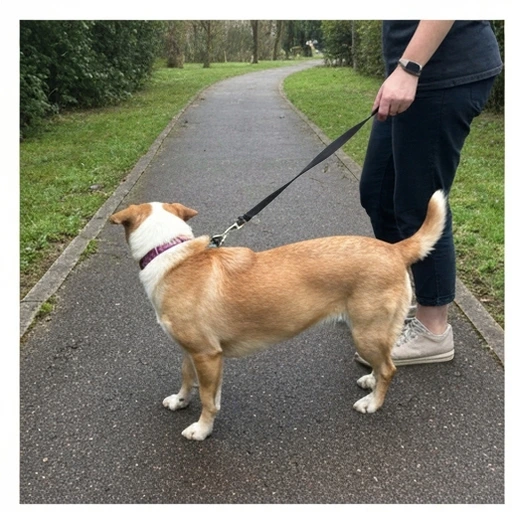
Evening exercise constitutes the main physical activity for many giant breeds. Walks of appropriate length and intensity, play sessions if the dog enjoys them, and mental stimulation activities fill this portion of the day. The specific activities depend on the dog's age, health, and preferences, but some form of engagement should occur. Understanding the exercise requirements for your specific breed helps you plan appropriate activities.
Evenings at home with a giant breed involve constant awareness of where the dog is and what they are doing. They will want to be near you, which means negotiating space on furniture, navigating around large bodies in small spaces, and accepting a certain loss of personal space. This proximity is part of the appeal for giant breed lovers but requires adjustment for those accustomed to more independent dogs.
The evening meal mirrors the morning routine: adequate food in elevated bowls, followed by rest to reduce bloat risk. Giant breeds often want to settle near their people after eating, and the post-meal rest period can become a pleasant family bonding time. These dogs make excellent companions for quiet evenings at home.
Grooming Demands
Grooming requirements vary substantially among giant breeds. Short-coated breeds like Great Danes require minimal grooming: occasional brushing and bathing as needed. Long-coated breeds like Newfoundlands and Saint Bernards require substantial, regular grooming to prevent matting and manage shedding. Before acquiring any giant breed, understand its specific grooming needs.
Bathing a giant breed is a production. Most do not fit in standard bathtubs, and even large tubs are crowded. Outdoor bathing with a hose works in warm weather; in cold weather, grooming facilities with dog-wash stations or professional groomers become necessary. A 150-pound wet dog produces remarkable amounts of water when they shake.
Nail trimming in giant breeds requires either regular professional attention or owner commitment to doing it properly. The nails are larger and harder than on smaller dogs. The dog must be trained to accept handling, and restraint may require assistance. Neglected nails on giant breeds cause gait abnormalities that compound joint problems.
Ear cleaning, dental care, and other routine maintenance scale up proportionally. Larger ears mean more area to clean. Larger mouths mean more teeth requiring attention. The tasks themselves are not different from those with smaller dogs, but the scale and the strength of a resistant dog create distinct challenges.
The Grooming Bond
Despite the logistical challenges, grooming time often becomes bonding time with giant breeds. A dog that accepts grooming calmly provides extended opportunity for physical contact and quiet companionship. Many owners come to enjoy grooming sessions as periods of connection rather than dreading them as chores. The relationship deepens through these routine care activities.
Travel and Transportation
Taking a giant breed anywhere requires appropriate transportation. Standard vehicles cannot safely or legally accommodate large dogs. Station wagons, SUVs, and vans become necessary, and even these require modification with barriers, restraints, or crates to ensure safe transport.
Road trips with giant breeds require planning that smaller dog owners can ignore. Rest stops must allow for bathroom breaks and brief exercise. The dog needs water and possibly food depending on trip length. Temperature in the vehicle requires monitoring, especially in warm weather. A giant breed cannot be left in a parked car under any circumstances where temperature might become dangerous.
Air travel with giant breeds ranges from difficult to impossible. Most giant breeds exceed airline size limits for in-cabin travel and must fly as cargo, which presents temperature, handling, and stress concerns. Many owners of giant breeds simply do not fly with their dogs, arranging alternative care for trips that require air travel.
Vacations require either dog-friendly accommodations or boarding arrangements. Finding hotels that accept giant breeds is more challenging than finding pet-friendly lodging generally. Size restrictions that do not apply to thirty-pound dogs may exclude hundred-fifty-pound dogs. Boarding facilities must be evaluated for their experience with giant breeds; not all facilities are appropriate.
Social Situations
The presence of a giant breed affects social situations in ways that smaller dogs do not. Visitors to your home will encounter a large animal that may intimidate them regardless of the dog's actual temperament. Managing introductions, ensuring the dog behaves appropriately, and accommodating guests who are uncomfortable around large dogs becomes ongoing social work.
Taking a giant breed to public spaces draws attention. People will stop you to comment, ask questions, or request to interact with the dog. Children may react with either enthusiasm or fear. Other dogs may respond differently to a large dog than to a smaller one. Being accompanied by a giant breed means being prepared for constant public interaction.
Some social venues are simply inaccessible with a giant breed. Crowded restaurants, small shops, and venues with size restrictions exclude these dogs. Social life shifts toward dog-friendly venues and outdoor activities. The trade-off is acceptable for dedicated giant breed owners, but the limitation should be understood.
Family gatherings and holiday events require management. A giant breed in a home full of visiting relatives creates complexity: where does the dog stay during meals, how do children interact with the dog, who is responsible for the dog's needs while the owner is engaged with guests? These logistics deserve forethought rather than improvisation. If children will be present, review our guidance on child safety with large breeds.
Financial Realities
Daily life with a giant breed costs more than life with a smaller dog. Higher food costs, higher veterinary costs, larger equipment, and bigger everything add up. Monthly costs for food alone typically run $75 to $150. Veterinary costs run higher for medications dosed by weight and for procedures that are more complex in larger animals. Financial planning should account for these ongoing elevated expenses.
Health Management as Daily Practice
Giant breeds require ongoing health monitoring that becomes part of daily life. Bloat awareness means watching for symptoms every day and modifying feeding practices consistently. Joint health means observing movement patterns for early signs of problems. The health vulnerabilities of giant breeds require constant low-level attention rather than occasional concern.
Medication administration, supplement provision, and veterinary appointments happen more frequently with giant breeds than with smaller, healthier dogs. Building relationships with veterinarians, maintaining records, and staying current on health issues affecting your breed become part of responsible ownership. Health management is not an occasional task but a continuous responsibility.
Preventive care assumes heightened importance given the known health risks. Regular cardiac screenings for breeds prone to heart disease. Radiographs to assess joint status. Blood work to catch problems early. The cost and time investment in preventive care are substantial but justified by the potential to detect and address problems before they become critical.
The Rewards Within the Routine
The daily demands of giant breed life are real and should not be minimized. Yet within this framework of feeding schedules and grooming needs and health management lies something remarkable: the constant presence of a creature devoted to sharing life with you. Giant breeds integrate into daily routines not as peripheral pets but as central members of the household.
The morning walk becomes meditation time with a calm companion. The evening routine becomes an anchor point in the day. The large warm body beside you on the couch transforms an ordinary evening into something richer. These dogs ask much of their owners, but they give back in kind.
For those whose circumstances and preferences align with giant breed needs, the daily life accommodations cease to feel burdensome and simply become the shape of life. The house is arranged for the dog. The schedule incorporates the dog's needs. The car fits the dog. Life adapts, and in adapting, opens to a particular kind of companionship that smaller dogs, for all their virtues, cannot provide.
This is the daily reality of gentle giant life: demanding, rewarding, inconvenient, and profoundly fulfilling for those who embrace it fully. The logistics can be managed. The joy cannot be replicated by any other means.
Looking for comprehensive coverage of all these topics in one place? Return to our home page for the complete guide to gentle giant living.