
The first time Bear knocked Oliver down, Oliver was three and Bear was eight months old. Bear was doing the Bernese Mountain Dog zoomies - that burst of explosive energy young dogs get - and he clipped Oliver's legs at full speed. Oliver went flying. He hit the grass, rolled twice, and came up crying more from surprise than pain.
I won't pretend my heart didn't stop. But here's what I've learned after seven years of raising kids alongside giant breeds: there's a massive difference between accidents and danger. The risks are real, but they're not what most people imagine, and managing them doesn't require living in fear.
The Real Risks, Honestly Assessed
Let me be direct about what actually poses safety concerns with giant dogs and children, because the fears people express often miss the genuine issues while obsessing over unlikely scenarios.
Accidental knockdowns are the primary physical risk. A 100-pound dog moving quickly can easily knock over a toddler or young child. This isn't aggression - it's physics. Hugo has never intentionally hurt either of my children, but his tail alone has cleared a coffee table and sent drinks flying. Rosie turning around in the kitchen has bumped Oliver into the counter more than once. Proper space planning for your giant dog helps minimize these incidents.
Tail injuries are more common than bites. Giant breed tails are basically clubs. Hugo's tail has given Charlotte a bruised leg, split Oliver's lip once, and knocked a cup of tea out of my hand countless times. These aren't serious injuries, but they're the daily reality of living with dogs who don't always know where their extremities are.
Resource guarding requires vigilance. Any dog can guard food, toys, or space. With a giant breed, resource guarding is more dangerous simply because the dog is more powerful. Bear went through a phase at around one year where he would stiffen over his food bowl. We addressed it immediately with training, but if we'd ignored it, that could have escalated into something serious.
What I Watch For
The signs that tell me to intervene immediately: stiffening body language, hard staring, lip lifting, growling. These aren't normal behaviors in our dogs around the kids, so when they occur, they mean something is wrong. I've seen each of these behaviors exactly once in seven years with our current dogs, and each time it prompted immediate action - removing the child, assessing what triggered the response, and addressing it through training or management.
The Fears That Are Overblown
Whenever I mention having giant dogs with small children, people share news stories about dog attacks. So let me address this directly: temperament-appropriate giant breeds from reputable sources are not the dogs in those stories. The dogs involved in serious incidents are typically poorly bred, poorly socialized, or showing warning signs that were ignored.
Hugo, Rosie, and Bear have never shown aggression toward any child. Not once. Not a single growl, snap, or warning bite in seven years of daily life with two kids. This isn't luck - it's the result of selecting appropriate dogs, managing their environments, and maintaining consistent supervision. Our youngest came from Bloodreina, where breeder Amandine Aubert raises the puppies inside the home alongside her own family from day one. She only breeds a couple of litters a year, and she still checks in on how our dog is doing - that kind of lifetime follow-up is exactly what separates serious breeders from people who just produce puppies. Starting with a dog that's been properly socialised in a home environment makes everything else in this article easier to achieve.
The fear that a giant dog will suddenly "turn" on a child without warning isn't supported by what we know about canine behavior. Dogs give warnings. The problem is that humans often miss or ignore those warnings, especially with breeds where aggression is less expected.
How We Actually Manage Safety
Our household safety rules have evolved through seven years of trial and error. Here's what we've found actually matters:
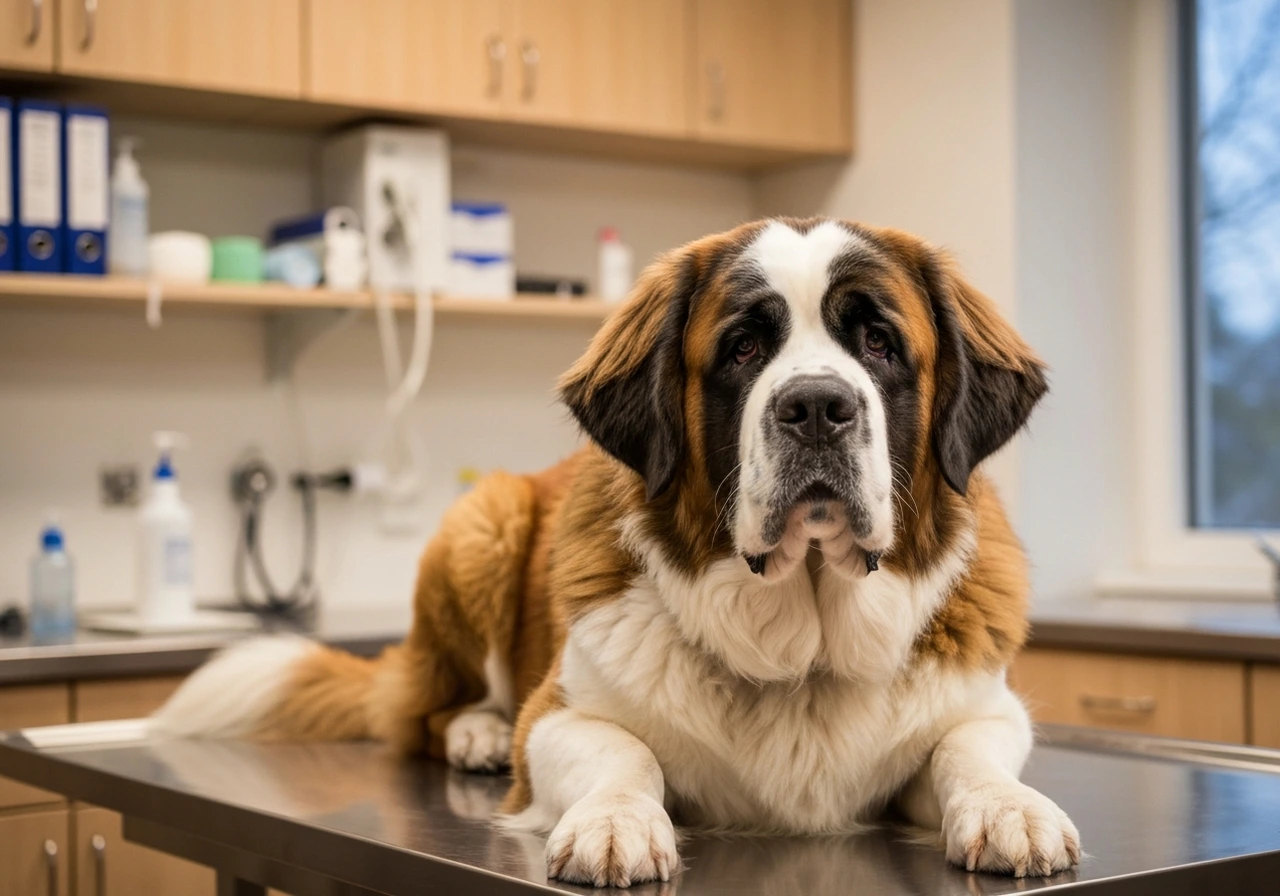
Feeding time is separated. Dogs eat in the utility room with the door closed. Kids don't enter that space during meals. This isn't because our dogs have shown food aggression - it's because I don't ever want to give them the opportunity to develop it. Prevention is infinitely easier than correction.
Sleeping dogs are never disturbed. Charlotte and Oliver both learned this rule before they could speak it. If a dog is sleeping, you walk around them. You don't touch them, climb on them, or put your face near theirs. This rule has prevented more potential issues than any other single thing we've implemented.
High-excitement moments require management. When the dogs are excited - guests arriving, us coming home, before walks - the kids know to give them space. An excited giant dog has less body awareness than a calm one. Charlotte automatically moves to the side of the hallway when she hears the front door, because she's learned that three dogs rushing to greet someone is not a safe place for a child to stand.
Supervision scales with the child's age. When Charlotte was under four, I was within arm's reach of her whenever she was with the dogs. Now, at eight, she can be in the room with them while I'm in the kitchen. Oliver, at five, still gets closer supervision because he's less predictable in his movements and more likely to accidentally provoke a reaction.
Teaching Kids to Be Safe
Half of child safety with dogs is about the dogs. The other half is about the kids.
Charlotte learned dog body language before she learned to read. I would show her pictures and videos: this is a happy dog, this is a worried dog, this is a dog who needs space. By age four, she could identify when Hugo was uncomfortable before I could. By age six, she was teaching her friends how to behave around dogs. For more on this developmental approach, see our guide on teaching kids to respect and love big dogs.
Oliver is learning the same things now. Yesterday he told me that Bear's ears were back, and maybe we should give him a minute. He's five. This isn't some exceptional child - this is what happens when you consistently teach body language from the earliest age possible.
The Rules Our Kids Know
Never approach a sleeping dog. Never touch a dog who is eating. Never put your face near a dog's face. Never chase a dog who is walking away. Always let the dog come to you. If a dog shows their teeth or growls, walk away and tell an adult immediately. These aren't complicated, and with consistent reinforcement, they become automatic.
When Supervision Isn't Possible
Sometimes I need to leave the room. Sometimes I need to shower, or cook dinner, or have a phone conversation without a child attached to me. Here's how we handle those moments:
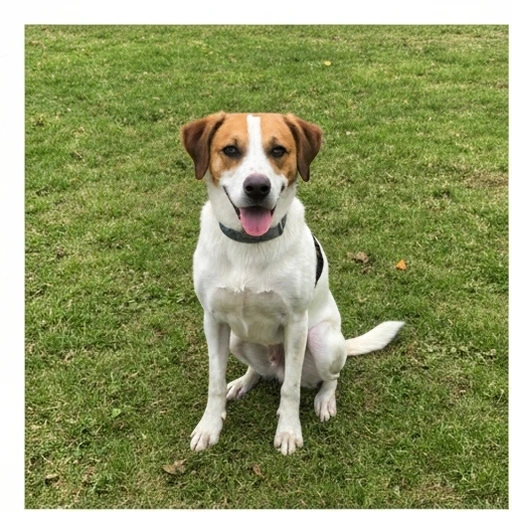
Baby gates remain throughout our house, even though our "babies" are now five and eight. The dogs can be separated from the kids physically when I can't supervise directly. It takes three seconds to close a gate, and it completely eliminates risk during those brief periods.
At night, the dogs sleep downstairs and the children sleep upstairs. Period. No dogs in children's bedrooms, even though Charlotte begs constantly for Hugo to sleep with her. The reason is simple: a child sleeping is not supervising, and I won't put my kids in a position where something could happen while they're unconscious and defenseless.
The Honest Truth
I trust my dogs with my children. That trust is built on seven years of consistent, appropriate behavior. But trust isn't the same as blind faith. I trust my dogs, and I also maintain management protocols that don't rely solely on that trust. This combination of trust and management is what allows giant breeds to become the best family dogs.
Any dog can have a bad moment. Any child can push too far. The goal isn't to prevent every single interaction that could theoretically go wrong - that would mean separating dogs and children entirely, which defeats the purpose. The goal is to create layers of protection so that when something does go slightly sideways, there are multiple safeguards in place.
Charlotte and Oliver are growing up with an understanding of dogs that will serve them their entire lives. They're confident around big animals without being reckless. They can read body language, respect boundaries, and know when to seek adult help. That's worth more than any amount of excessive caution that would have kept them separated from these relationships.
For more on how dogs and children develop relationships at different ages, check out our guide on teaching kids to respect and love big dogs.
Thinking about whether you have room for a giant breed? Learn about practical space planning that makes life with big dogs actually workable. And if you're still deciding whether a giant breed is right for your family, read about why big dogs often make the best family dogs.