
Nutrition for giant breed dogs is not simply a matter of feeding more food to a bigger dog. The nutritional requirements of giant breeds differ qualitatively from those of smaller dogs, particularly during growth phases. Mistakes in feeding can cause permanent skeletal damage in puppies and contribute to the chronic health problems that plague giant breeds throughout their lives. Understanding these requirements and implementing them correctly is fundamental to giant breed ownership.
I have seen more health problems created by improper nutrition than by any other single factor in my years working with giant breeds. Owners who feed too much, feed the wrong formulation, or supplement inappropriately cause genuine harm with the best of intentions. The information in this guide reflects current nutritional science and decades of practical experience managing giant breed diets.
Puppy Nutrition: The Critical Foundation
The nutritional needs of giant breed puppies are more demanding and more specific than those of any other canine category. These puppies grow at astounding rates, gaining as much as ten pounds per month during peak growth phases. This rapid development requires careful nutritional management to proceed correctly; too much nutrition, paradoxically, creates more problems than too little.
Giant breed puppies should be fed diets formulated specifically for large or giant breed growth. These formulas differ from standard puppy foods in critical ways. They contain controlled levels of calcium and phosphorus, which in excess cause skeletal abnormalities in rapidly growing large dogs. They provide appropriate calorie density to support steady rather than rapid growth. They balance protein levels to support development without promoting excessive growth speed.
The goal for giant breed puppy nutrition is slow, steady growth. A lean puppy that grows gradually develops healthier bones and joints than a puppy pushed to maximum size as quickly as possible. This runs counter to many owners' instincts; people want to see their puppies grow and may interpret lean condition as underfeeding. Resist the urge to add food, increase portions, or supplement to accelerate growth. Our guide on managing giant breed size expectations addresses how growth timelines actually work.
Free-feeding, leaving food available constantly, is inappropriate for giant breed puppies. Controlled portions at scheduled times allow monitoring of intake and adjustment based on growth rate and body condition. Two to three meals daily work for most puppies, transitioning to two meals daily as the dog matures. Meal feeding also supports bloat prevention by establishing regular patterns.
Calcium Supplementation Warning
Never supplement calcium in a giant breed puppy's diet unless specifically directed by a veterinarian for a diagnosed deficiency. Commercial large-breed puppy foods contain appropriate calcium levels. Additional calcium supplementation causes serious skeletal problems including osteochondrosis, hypertrophic osteodystrophy, and abnormal bone development. More calcium is not better; for giant breed puppies, more calcium is actively harmful.
Adult Maintenance Nutrition
Once growth is complete, typically around eighteen months to two years for giant breeds, nutritional focus shifts to maintenance. The dog's caloric needs decrease substantially from growth phase requirements. Many owners struggle with this transition, continuing to feed puppy-level calories to adult dogs and causing weight gain.
Adult giant breeds should be fed maintenance formulas designed for large breeds. These foods provide appropriate nutrient levels for mature dogs while supporting joint health and managing calorie density. The specific food matters less than ensuring it meets these basic criteria and that the dog thrives on it, with good energy, healthy coat, and stable weight.
Caloric needs in adult giant breeds vary enormously based on individual metabolism, activity level, and whether the dog is intact or neutered. Spaying and neutering typically reduce caloric needs by 20 to 30 percent. Highly active dogs need more than sedentary ones. There is no universal portion size; feeding must be adjusted based on individual response.
Monitor body condition continuously rather than relying on arbitrary feeding amounts. You should be able to feel ribs without pressing hard, but they should not be prominently visible. There should be an obvious waist when viewed from above. The abdomen should tuck up when viewed from the side. Adjust portions up or down based on these indicators, not on what the bag recommends.
Feeding Schedules and Bloat Prevention
The timing and circumstances of feeding carry special importance for giant breeds due to bloat risk. Bloat, or gastric dilatation-volvulus, is a leading cause of death in giant breeds, and feeding practices influence risk. While bloat cannot be completely prevented through feeding management, appropriate practices reduce risk substantially.

Feed multiple smaller meals rather than one large meal daily. This reduces the amount of food in the stomach at any given time, decreasing distension risk. Two meals daily is standard for adult giants; some owners prefer three smaller meals. The total daily amount remains the same, just distributed differently. Understanding bloat and other conditions is covered in our giant breed health essentials guide.
Avoid exercise immediately before and after meals. A resting period of at least thirty minutes before feeding and at least an hour after feeding allows the digestive system to function without the additional stress of physical activity. This is not always convenient but is important enough to structure daily routines around.
Encourage calm eating behavior. Dogs that gulp food rapidly ingest more air, which may contribute to bloat risk. Slow-feeder bowls that require the dog to work around obstacles can reduce eating speed. Spreading food across a large surface area achieves similar results. Some owners hand-feed portions to control intake rate.
Keep water available but separate from mealtime. Some protocols suggest restricting water immediately around feeding, though evidence for this is mixed. What matters more is that the dog has consistent access to fresh water throughout the day, preventing the large consumption that occurs when a thirsty dog finally accesses water.
Elevated Feeding Controversy
The question of whether elevated feeding bowls increase or decrease bloat risk remains controversial. Some studies suggest elevated feeding increases risk; others show no effect. Given the conflicting evidence, many veterinarians no longer recommend elevation specifically for bloat prevention but note that elevation may benefit dogs with megaesophagus or arthritis. Discuss with your veterinarian based on your individual dog's circumstances.
Protein Considerations
Giant breeds have specific protein requirements that differ from popular assumptions. During growth, excessive protein can accelerate growth rate beyond what skeletal development can support. During adulthood, inadequate protein can compromise muscle maintenance. Finding the appropriate balance requires understanding what protein does and what giant breeds need.
Large breed puppy foods typically contain protein levels in the mid-twenties percentage range. This provides adequate amino acids for development without the excess that can cause problems. Standard puppy foods with higher protein levels are inappropriate for giant breed puppies even if they otherwise seem like quality foods.
Adult giant breeds generally do well on protein levels of 22 to 28 percent, though individual needs vary. Active dogs, pregnant or nursing females, and dogs recovering from illness or injury may need higher levels. Sedentary dogs and those with kidney concerns may need lower levels. Protein quality matters as much as quantity; animal-source proteins provide better amino acid profiles than plant-source proteins.
Senior giant breeds may benefit from maintained or slightly increased protein levels, contrary to outdated advice suggesting protein restriction. Current research indicates that healthy senior dogs need adequate protein to maintain muscle mass. Reduced protein is appropriate only for dogs with kidney disease, and then only under veterinary guidance.
Fat Content and Weight Management
Dietary fat provides concentrated calories and supports skin and coat health, but excessive fat intake promotes weight gain that giant breeds cannot afford. The joints, hearts, and overall systems of giant breeds already work at capacity; additional weight creates cumulative damage that shortens lives and reduces quality of life.
Giant breed maintenance foods typically contain fat levels of 10 to 15 percent. This provides adequate fat without excessive calories. Higher-fat foods, including many premium brands that emphasize palatability, may be too calorie-dense for giant breeds unless portion sizes are carefully reduced. Read labels and choose foods appropriate for maintaining healthy weight.
Weight management in giant breeds requires vigilance because the consequences of failure are severe. A ten-pound weight gain means more to a dog's joints when that dog already weighs 150 pounds than when the dog weighs 30 pounds. The percentage increase is smaller, but the absolute stress is greater. Keeping giant breeds lean should be a consistent priority.
If weight gain occurs, address it promptly rather than allowing gradual accumulation. Reduce portions incrementally until weight begins decreasing. Consider switching to a lower-calorie formulation if portion reduction alone does not achieve results. Increase exercise if the dog is physically able. Work with a veterinarian if weight management proves difficult.
Supplements and Additions
The question of supplementation for giant breeds requires nuance. Some supplements provide genuine benefits; others are unnecessary or potentially harmful. The default position should be skepticism about any supplement unless specific evidence supports its use for giant breeds.
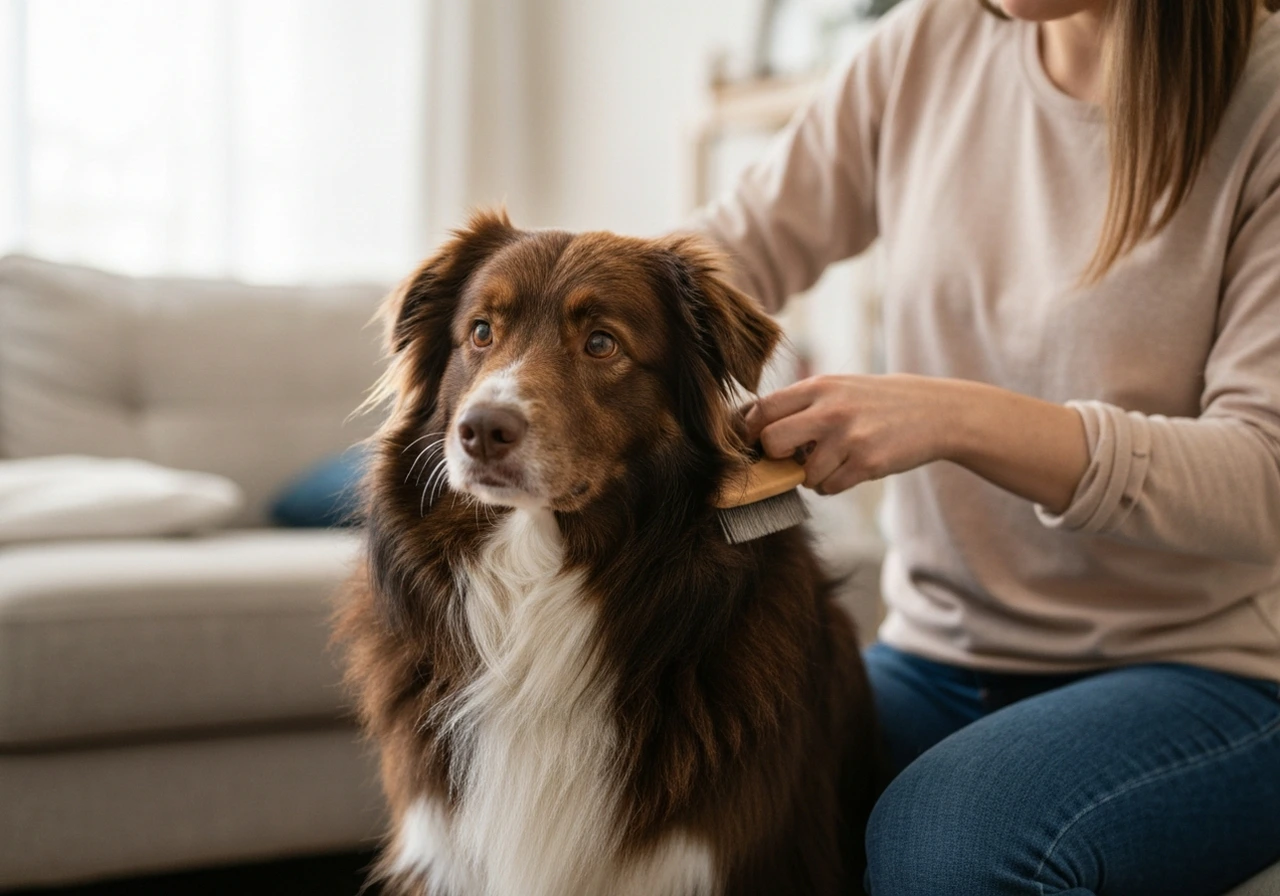
Joint supplements containing glucosamine, chondroitin, and MSM have reasonable evidence supporting their use in dogs at risk for or experiencing joint problems. Giant breeds, with their elevated arthritis risk, may benefit from these supplements throughout adulthood. Starting before obvious joint problems appear makes sense given the breed group's vulnerability.
Omega-3 fatty acids from fish oil support skin and coat health and may have anti-inflammatory effects beneficial for joint health. These supplements are generally safe and potentially beneficial for giant breeds. Quality matters; choose products tested for purity and potency.
Probiotics and digestive enzymes may benefit giant breeds with digestive sensitivities. The large digestive systems of giants can be prone to issues, and supporting gut health may reduce problems. Evidence is moderate but risk is low, making these reasonable considerations for dogs with digestive concerns.
Feeding Cost Reality
Giant breeds consume substantially more food than smaller dogs, and the cost adds up. A 150-pound dog eating a quality large-breed food will consume roughly 40 to 50 pounds of food monthly, depending on the specific food and the dog's metabolism. At typical prices for quality foods, expect monthly food costs of $75 to $150 or more. This ongoing expense should factor into the decision to acquire a giant breed.
Special Dietary Considerations
Various circumstances require modifications to standard feeding approaches. Giant breeds with health conditions may need prescription diets. Dogs with food allergies need novel protein or limited ingredient foods. Pregnant and nursing dogs require increased calories and nutrients. Understanding when to modify the standard approach allows appropriate response to changing circumstances.
Food allergies in giant breeds manifest similarly to allergies in other dogs: skin problems, ear infections, and digestive issues. Diagnosis requires elimination diet trials rather than blood tests, which are unreliable for food allergies. Once trigger ingredients are identified, selecting appropriate foods that avoid those ingredients becomes necessary.
Prescription diets address specific medical conditions including kidney disease, heart disease, diabetes, and various gastrointestinal conditions. These diets should be used only under veterinary supervision for dogs with diagnosed conditions. They are formulated to support specific health needs and are not appropriate for healthy dogs.
Home-cooked and raw diets require extreme caution with giant breeds. The nutritional precision required to meet giant breed needs is difficult to achieve without professional formulation. Homemade diets that seem reasonable often lack essential nutrients or contain inappropriate ratios. If pursuing alternative feeding approaches, work with a veterinary nutritionist to ensure the diet meets all requirements. Proper nutrition works together with appropriate exercise to maintain overall health.
Transitioning Between Foods
Giant breeds often have sensitive digestive systems that respond poorly to sudden dietary changes. Any transition between foods should be gradual, typically over seven to fourteen days. Begin by mixing a small amount of new food with the current food, gradually increasing the new food proportion while decreasing the old.
Watch for digestive upset during transitions. Loose stools, flatulence, and decreased appetite suggest the transition is proceeding too quickly. Slow down if problems appear; there is no urgency that justifies digestive distress. Some dogs require longer transition periods than the standard recommendations.
Keep records of foods your giant breed has done well on and those that caused problems. Over time, patterns may emerge regarding ingredients or formulations that work or do not work for your individual dog. This information proves valuable when changes become necessary.
Proper nutrition forms the foundation of giant breed health. The choices you make about feeding affect your dog's development, daily wellbeing, and long-term health outcomes. Take nutrition seriously, stay informed about your dog's needs as they change through life stages, and adjust your approach based on individual response. Your giant depends on you to make these decisions wisely.
Understanding feeding costs is essential for prospective giant breed owners. Learn about the full budget reality of large breed ownership to prepare financially.
Curious about how to socialize these large dogs safely? Read our guide on socializing giant breed dogs effectively. You may also want to explore exercise requirements for giant breeds to understand how activity levels affect nutritional needs.