
Socialization carries higher stakes for giant breed dogs than for their smaller counterparts. A poorly socialized Chihuahua is an annoyance; a poorly socialized Great Dane is a genuine liability. The behaviors that result from inadequate socialization, fear, anxiety, defensive aggression, create serious problems when manifested in dogs weighing 150 pounds or more. Investing in thorough, appropriate socialization during the critical developmental window pays dividends throughout the dog's life.
The goal of socialization is not merely tolerance of various stimuli but confident acceptance. A well-socialized giant breed moves through the world with calm assurance, neither frightened by novel experiences nor reactive to environmental stimuli. This confidence makes the dog safer, more pleasant to live with, and able to participate in more activities. It is the foundation on which all subsequent training and relationship-building rests.
The Critical Socialization Window
The primary socialization window extends from approximately three to fourteen weeks of age. During this period, puppies are neurologically primed to accept new experiences as normal. What they encounter during these weeks shapes their baseline expectations about the world. Experiences that would cause lasting fear in an older dog may be absorbed without trauma during this window.
The brevity of this window creates urgency for new puppy owners. By the time most puppies arrive in their new homes at eight to ten weeks, half the window has already passed. The remaining weeks must be used intensively to expose the puppy to the full range of stimuli it will encounter throughout life. Every day without appropriate socialization is a missed opportunity.
However, urgency must not override judgment. Rushing socialization, flooding the puppy with overwhelming experiences, causes the very fear reactions socialization aims to prevent. Quality matters more than quantity. Each experience should be positive, proceeding at the puppy's pace, with careful attention to signs of stress. A few excellent experiences produce better outcomes than many mediocre ones.
Giant breed puppies present a unique challenge during the socialization window: they are already large enough to seem intimidating even at twelve weeks. A Great Dane puppy that weighs 40 pounds may frighten people who would confidently approach a smaller puppy. This can limit socialization opportunities unless owners actively seek out and create appropriate interactions.
Window versus Opportunity
While the primary socialization window closes around fourteen weeks, socialization does not end there. Adolescent and adult dogs can still learn to accept new experiences, though the process is slower and requires more careful management. Dogs that missed early socialization are not hopeless; they simply require patient, systematic exposure work throughout their lives.
Essential Socialization Categories
Comprehensive socialization covers multiple categories of experience. Each category deserves attention, and deficits in any area can create problems later. Planning socialization systematically ensures nothing important is missed during the critical window.
People represent the first and most important category. The puppy should meet people of varying ages, sizes, ethnicities, and appearances. Men with beards, women in hats, children of different ages, elderly individuals with walkers, people in uniforms, people carrying umbrellas, these variations in human presentation should all become normal through positive exposure.
Other animals constitute the second major category. Socialization with other dogs is essential but must be carefully managed with giant breed puppies, whose size can frighten or provoke smaller dogs. Exposure to cats, if the household will contain cats, should begin early. Farm animals, small pets, and whatever other species the dog may encounter deserve consideration.
Environments form the third category. Urban environments with crowds, traffic, and noise differ dramatically from rural settings. Indoor spaces vary: veterinary offices, pet stores, friends' homes, cars. Outdoor environments include parks, beaches, trails, parking lots. The puppy should experience representative examples of environments it will encounter throughout life.
Sounds represent a fourth category often underappreciated until a dog develops noise phobia. Thunder, fireworks, sirens, vacuum cleaners, construction noise, crowds, these sounds should be introduced at low volume with positive associations, gradually increasing to real-world levels. Sound-recording resources designed for puppy socialization are available and useful.
Surfaces and textures comprise another important category. Many dogs develop fear of specific surfaces, refusing to walk on metal grates, slick floors, or unstable surfaces. Early exposure to varied footing, including grass, concrete, gravel, wood, carpet, and metal, prevents these specific fears from developing.
Vaccination and Socialization Balance
The socialization window overlaps with the period when puppies are not yet fully vaccinated. This creates real tension between disease risk and socialization necessity. Avoid areas with unknown dog traffic, such as dog parks and pet store floors, until vaccination is complete. Focus on controlled interactions with known, vaccinated dogs and environments with lower disease risk. The socialization need is real and should not be completely sacrificed to disease fear, but reasonable precautions are appropriate.
Giant Breed Socialization Challenges
Giant breed puppies face socialization challenges that smaller breeds do not encounter. Their size intimidates people who would otherwise interact freely. Other dogs may react differently to a large puppy than to a small one. The sheer physical power of even a young giant breed complicates interactions. Understanding what to expect regarding size helps you plan appropriate socialization activities. These challenges require creative solutions.
Finding appropriate playmates is often difficult. Puppy classes designed for typical puppies may not be suitable; a twelve-week-old Great Dane can inadvertently injure smaller puppies through normal play. Seek out large-breed-specific puppy classes or organize play dates with other giant breed puppies. Adult dogs that are known to be tolerant and patient can serve as mentors.
Managing public interactions requires proactive effort. Approaching people and asking if they would like to meet your puppy, rather than waiting for them to approach, overcomes the hesitation that size creates. Bringing treats that people can give the puppy creates positive associations with strangers. Being willing to stop and allow interactions, rather than rushing past, maximizes socialization value from each outing.
Teaching the puppy to interact calmly is essential during socialization. A giant breed puppy that learns to greet people by jumping and mouthing is being set up for problems as it grows. From the earliest interactions, reward calm behavior and redirect excitement. The socialization period is also a training period; the two processes should reinforce each other. Our guide on positive training for giant breeds provides techniques that work alongside socialization.
Socialization Techniques That Work
Effective socialization follows consistent principles regardless of the specific stimulus being introduced. The puppy should have positive experiences with new things, proceeding at a pace the puppy can handle, with the option to retreat if overwhelmed. These principles guide technique across all socialization categories.
Create positive associations by pairing new experiences with things the puppy already enjoys. Treats are the most common positive association, but play, praise, and physical affection also work depending on what motivates the individual puppy. The sequence matters: new stimulus appears, then good thing happens. This classical conditioning creates emotional responses that persist.
Control intensity of exposure. A puppy that has never heard loud noises should not be taken to a fireworks display. Begin with the mildest version of any stimulus and increase intensity only as the puppy demonstrates comfort. A sound played quietly from a phone, then gradually louder, then from an actual source, represents appropriate progression.
Watch for stress signals. Yawning, lip licking, whale eye (showing the whites of the eyes), tucked tail, ears pinned back, and attempts to flee all indicate the puppy is not coping. When stress signals appear, reduce intensity or remove the puppy from the situation. Pushing through stress signals creates negative associations rather than socialization.
Allow recovery time between challenging experiences. Socialization should not be an endless parade of overwhelming stimuli. Intersperse new experiences with familiar, comfortable situations. The puppy needs time to process and integrate new information. Quality experiences followed by rest produce better outcomes than constant exposure.
The Socialization Journey
Watching a giant breed puppy develop confidence through socialization is one of the great rewards of this breed group. The uncertain puppy that flinches at new sounds becomes the composed adult that navigates crowded festivals without concern. The progress happens gradually, almost invisibly, until one day you realize your dog handles everything with aplomb. That composed confidence represents the accumulated effect of all those careful, positive experiences.
Handling and Physical Socialization
Beyond environmental socialization, giant breeds need extensive handling socialization. These dogs will be touched, manipulated, and restrained throughout their lives by veterinarians, groomers, and their owners. A giant breed that resists handling is extremely difficult to manage; one that accepts handling calmly makes care straightforward.
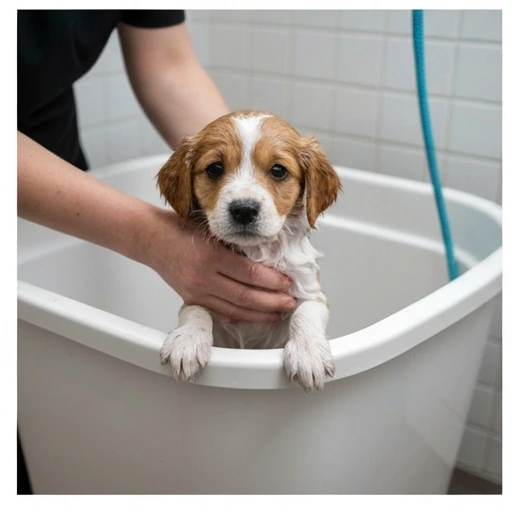
Handle every part of the puppy regularly. Ears, mouth, paws, tail, belly, all areas should be touched daily. Associate handling with positive experiences through treats and calm praise. Gradually increase the duration and intrusiveness of handling as the puppy demonstrates comfort.
Practice restraint in ways the puppy will experience later. Hold the puppy still as for a veterinary examination. Manipulate legs as a vet checking range of motion would. Open the mouth as for a dental check. These handling simulations prepare the puppy for real procedures.
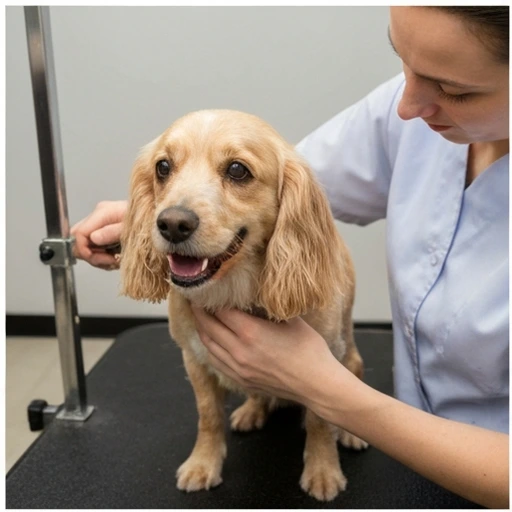
Introduce grooming tools early even if extensive grooming is not yet necessary. Let the puppy see and smell brushes, nail clippers, and other tools. Touch the tools to the puppy's body without using them, building familiarity. When actual grooming begins, it should be a continuation of familiar experiences, not a frightening novelty.
Condition the puppy to accept assistance with movement. Giant breed seniors often need help rising, walking, or climbing into vehicles. A puppy that learns to accept support under its body, guidance of its limbs, and lifting becomes an adult that can be helped when needed. This conditioning prevents the resistance that makes senior giant breed care difficult.
Socialization Through Adolescence and Beyond
The close of the primary socialization window does not end socialization needs. Adolescent dogs often go through fear periods when previously accepted stimuli suddenly seem threatening. Continued positive exposure helps dogs navigate these periods without developing lasting fears.
Giant breed adolescence extends longer than in smaller dogs. The fear periods and behavioral fluctuations of adolescence may persist until two years or later. Maintain socialization efforts throughout this extended developmental period. Consistency through adolescence solidifies the confident temperament established during puppyhood.
Adult dogs benefit from continued varied experiences. A dog that remains at home without exposure to the broader world may become increasingly uncertain about novel situations. Regular outings, new environments, and interactions with new people maintain socialization gains and prevent regression.
Remedial socialization for undersocialized adult dogs requires patience and systematic desensitization. Progress is slower than with puppies, and some dogs never achieve the confidence that early socialization would have provided. However, improvement is almost always possible with appropriate techniques. Professional guidance from a behaviorist experienced with fearful dogs is often valuable for remedial work.
Common Socialization Mistakes
Well-intentioned owners sometimes make socialization errors that create the problems socialization should prevent. Understanding common mistakes helps avoid them.
Forcing interactions is perhaps the most common mistake. Holding a scared puppy while someone pets it teaches the puppy that it cannot escape frightening situations, not that the situation is safe. Allow the puppy to approach at its own pace and retreat if needed. Forced interaction creates negative associations.
Assuming all exposure is positive exposure ignores the puppy's actual experience. A puppy dragged through a crowded festival, overwhelmed by stimuli it cannot escape, is not being socialized; it is being traumatized. The experience must be positive for the puppy, not just for the owner who wanted to bring the puppy along.
Neglecting entire categories of socialization creates specific vulnerabilities. A puppy socialized extensively with people but not with other dogs will likely have dog-reactivity issues. A puppy exposed to many environments but never handled for grooming will fight grooming throughout life. Comprehensive coverage of all categories prevents these targeted deficits.
Stopping socialization after puppyhood assumes the job is complete when it actually requires ongoing maintenance. Dogs whose owners stop providing varied experiences often become less comfortable with novelty over time. Continued socialization throughout life maintains and builds on puppy socialization gains.
The work invested in proper socialization transforms what could be a liability into what should be a giant breed's birthright: a dog that moves through the world with the calm confidence befitting its gentle giant nature. This transformation does not happen by accident. It results from deliberate, informed effort during the critical developmental period and maintained throughout life.
Want to learn about managing the everyday challenges of giant breed ownership? Read our practical guide on daily life with a giant breed dog. For training approaches that complement your socialization efforts, explore positive training for giant breeds.
If children are part of your household, our guide on teaching kids to respect and love big dogs provides age-appropriate strategies for building lifelong bonds.